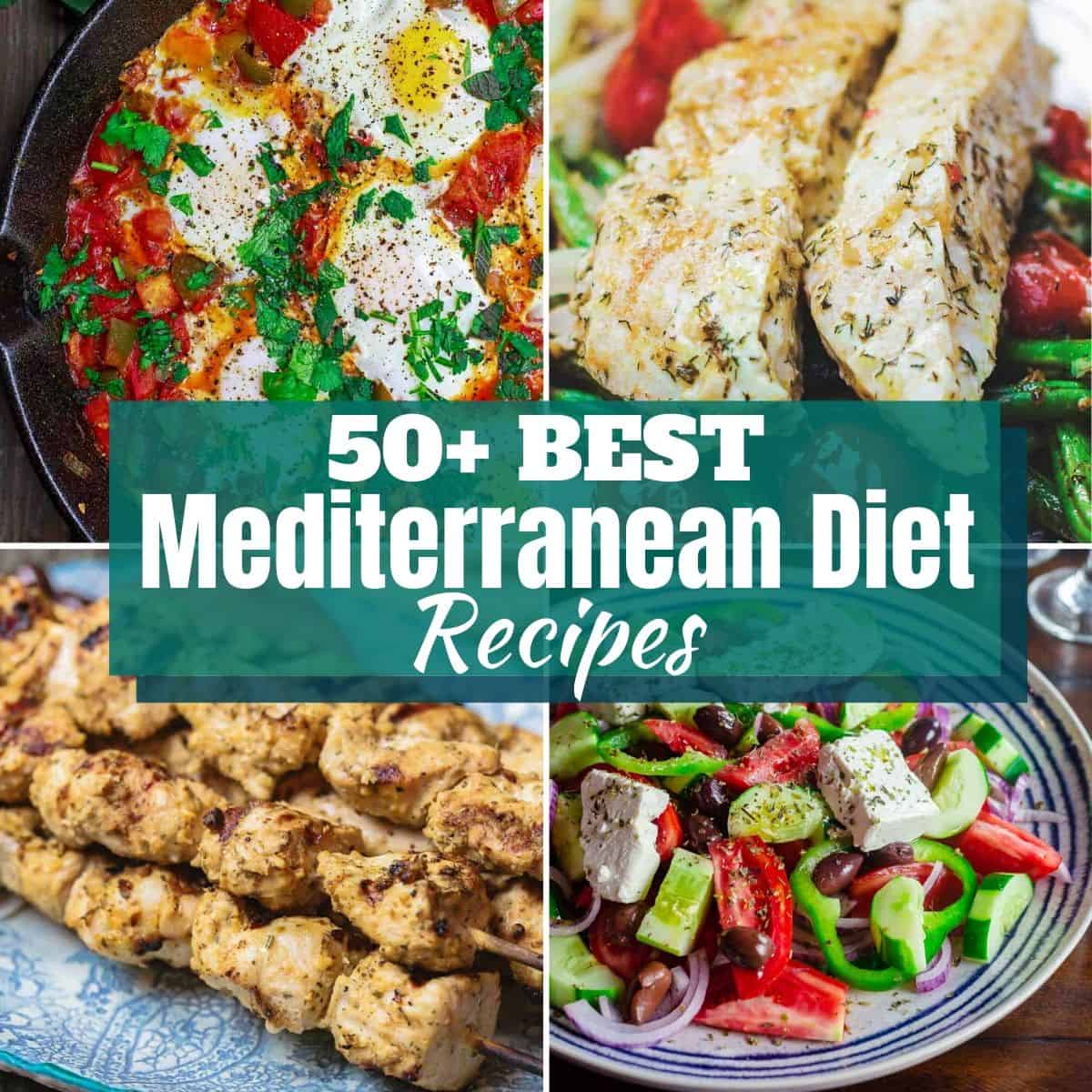
Mediterranean Diet: Your Guide to Healthy Living & Recipes
The allure of the Mediterranean lifestyle extends far beyond its sun-drenched shores and turquoise waters. At its heart lies a dietary tradition renowned worldwide for its incredible flavors, vibrant ingredients, and profound health benefits. More than just a meal plan, the Mediterranean Diet is a holistic approach to well-being, emphasizing fresh, wholesome foods, regular physical activity, and mindful living. If you're eager to unlock the secrets to longevity, vitality, and truly delicious eating, this comprehensive guide will illuminate the path, even providing insights into sought-after Mediterranean Diet recipes to kickstart your journey.What Exactly *Is* the Mediterranean Diet? Moving Beyond Misconceptions
When you hear "diet," your mind might jump to restrictive calorie counting or short-term fads. However, the Mediterranean Diet couldn't be further from this perception. The term "diet" here refers to a traditional "way of eating and living," a concept deeply rooted in the daily habits of people in regions like Crete and Southern Italy. It's about embracing a sustainable, enjoyable pattern of eating that has been practiced for centuries, not a temporary fix. Often lauded as one of the healthiest dietary patterns globally, the Mediterranean Diet is characterized by a high intake of plant-based foods, healthy fats, and lean proteins, with a strong emphasis on cooking with fresh, unprocessed ingredients. Forget the stereotypes of fast food or heavily processed dishes; traditional Mediterranean cuisine champions the natural goodness of the earth and sea. It’s a lifestyle where simple, fresh ingredients transform into incredibly satisfying and nutritious meals, encouraging a mindful approach to food preparation and consumption.The Core Pillars: A Culinary Compass for Your Health
Understanding the Mediterranean Diet is like reading a map to healthy eating. Its principles are clearly laid out, guiding you towards a balanced and nourishing plate.Daily Staples: The Foundation of Your Plate
- Abundant Vegetables & Fruits: These form the cornerstone, providing essential vitamins, minerals, and antioxidants. Think colorful bell peppers, juicy tomatoes, leafy greens, berries, and citrus fruits. Aim for a wide variety to maximize nutrient intake.
- Whole Grains: Unlike refined grains, whole grains (like oats, brown rice, whole-wheat pasta, quinoa, and barley) are packed with fiber, offering sustained energy and aiding digestion. They typically make up 55-60% of daily carbohydrate intake, providing complex carbohydrates.
- Healthy Fats: This is where the Mediterranean Diet shines! Extra virgin olive oil is the star, used liberally for cooking, dressing, and dipping. Nuts, seeds, and avocados also provide monounsaturated and polyunsaturated fats, including crucial Omega-3 fatty acids, making up 25-30% of total fat intake. These healthy fats are vital for heart health and nutrient absorption.
- Legumes & Pulses: Lentils, chickpeas, beans, and peas are excellent sources of plant-based protein and fiber, making them a hearty addition to many meals.
- Herbs & Spices: Say goodbye to excessive salt! The Mediterranean kitchen relies on a vibrant array of herbs like oregano, basil, thyme, rosemary, and garlic to flavor dishes, enhancing taste without compromising health.
Weekly Indulgences: Savory Additions
- Fish & Seafood: Incorporating fish, especially fatty fish rich in Omega-3s like salmon, mackerel, and sardines, at least twice a week is a hallmark of this diet. Fish provides lean protein and essential fatty acids.
- Eggs: A versatile and nutritious protein source, eggs can be enjoyed a few times a week.
- Dairy Products: Moderate amounts of dairy, particularly fermented products like Greek yogurt, feta, and goat cheese, derived often from sheep or goats, are common. These provide calcium and probiotics.
- Poultry: Lean poultry, such as chicken or turkey, can be enjoyed in moderation.
Sparingly & Mindfully: Occasional Treats
- Red Meat: While not completely excluded, red meat is consumed infrequently – only a few times a month – and usually in smaller portions.
- Sweets & Processed Foods: Added sugars and highly processed foods are kept to a minimum. Desserts are often fruit-based or include honey in small quantities.
Why Embrace the Mediterranean Way? Beyond Weight Loss
The benefits are manifold:
- Heart Health Champion: Rich in monounsaturated fats (from olive oil) and Omega-3s, the Mediterranean Diet significantly lowers the risk of heart disease and stroke. It helps reduce bad cholesterol (LDL) levels, improves blood pressure, and reduces inflammation, all critical factors for cardiovascular well-being.
- Weight Management Support: The high fiber content from vegetables, fruits, and whole grains, combined with healthy fats, promotes satiety. This helps manage appetite, prevents overeating, and naturally supports healthy weight regulation without restrictive calorie counting.
- Antioxidant Powerhouse: The abundance of fresh produce and olive oil provides a vast array of antioxidants, which combat oxidative stress and inflammation, protecting cells from damage and supporting healthy aging.
- Brain Health & Mood Enhancement: The nutrient-dense foods, particularly Omega-3s, are crucial for brain function. Studies suggest a positive impact on cognitive health, memory, and even mood, potentially reducing the risk of depression and neurodegenerative diseases.
- Blood Sugar Regulation: The emphasis on complex carbohydrates and fiber helps stabilize blood sugar levels, reducing the risk of type 2 diabetes and improving management for those already living with the condition.
- Longevity and Quality of Life: Perhaps the most compelling benefit is the strong correlation between adherence to the Mediterranean Diet and increased longevity. It's not just about living longer, but living *healthier* for longer, with reduced incidence of chronic illnesses.
Practical Tips & Mediterrane Diät Rezepte for Your Kitchen
Adopting the Mediterranean Diet is easier than you might think, and integrating its principles into your daily life can be a delightful culinary adventure. For those specifically searching for "Mediterrane Diät Rezepte" (Mediterranean Diet recipes), the good news is that there's a vast world of delicious and simple dishes waiting to be discovered.Getting Started: Actionable Advice
- Embrace Olive Oil: Make extra virgin olive oil your primary cooking fat and dressing. It's versatile and packed with healthy fats.
- Spice it Up with Herbs: Ditch the salt shaker! Use fresh or dried herbs like basil, oregano, parsley, and rosemary, along with garlic and onions, to add incredible depth of flavor.
- Prioritize Produce: Make vegetables and fruits the stars of your meals. Fill half your plate with them at every sitting.
- Go Whole Grain: Swap white bread and pasta for whole-wheat versions. Opt for brown rice, quinoa, and oats.
- Fish Twice a Week: Aim to incorporate fish or seafood into your diet at least two times weekly. Grilling or baking are excellent preparation methods.
- Snack Smart: Keep nuts, seeds, and fresh fruit on hand for healthy snacking options.
- Hydrate: Drink plenty of water throughout the day.
- Mindful Eating: Savor your meals. Eat slowly, enjoy the company of others, and pay attention to your body's hunger and fullness cues. This mindful approach is a key, often overlooked, aspect of the Mediterranean lifestyle.